
Stucco is the most common exterior finish on Florida condominiums, townhome communities and commercial buildings, and cracks show up on almost every property before a repaint. Most are cosmetic and are repaired as part of the paint prep; some point to water intrusion or structural movement that needs an engineer first. This guide helps boards and property managers tell the difference.
Understanding Stucco Cracks:
Before diving into when to repair stucco cracks, it’s crucial to understand the types of cracks that can occur:
- Hairline Cracks:
- These thin, superficial cracks are often cosmetic and do not extend through the entire stucco layer. They are usually caused by natural settling or minor shifts in the structure and may not necessarily require immediate attention.
- Spiderweb Cracks:
- Slightly larger than hairline cracks, spiderweb cracks may be a result of more significant movements in the structure. While still often cosmetic, they should be monitored for any progression.
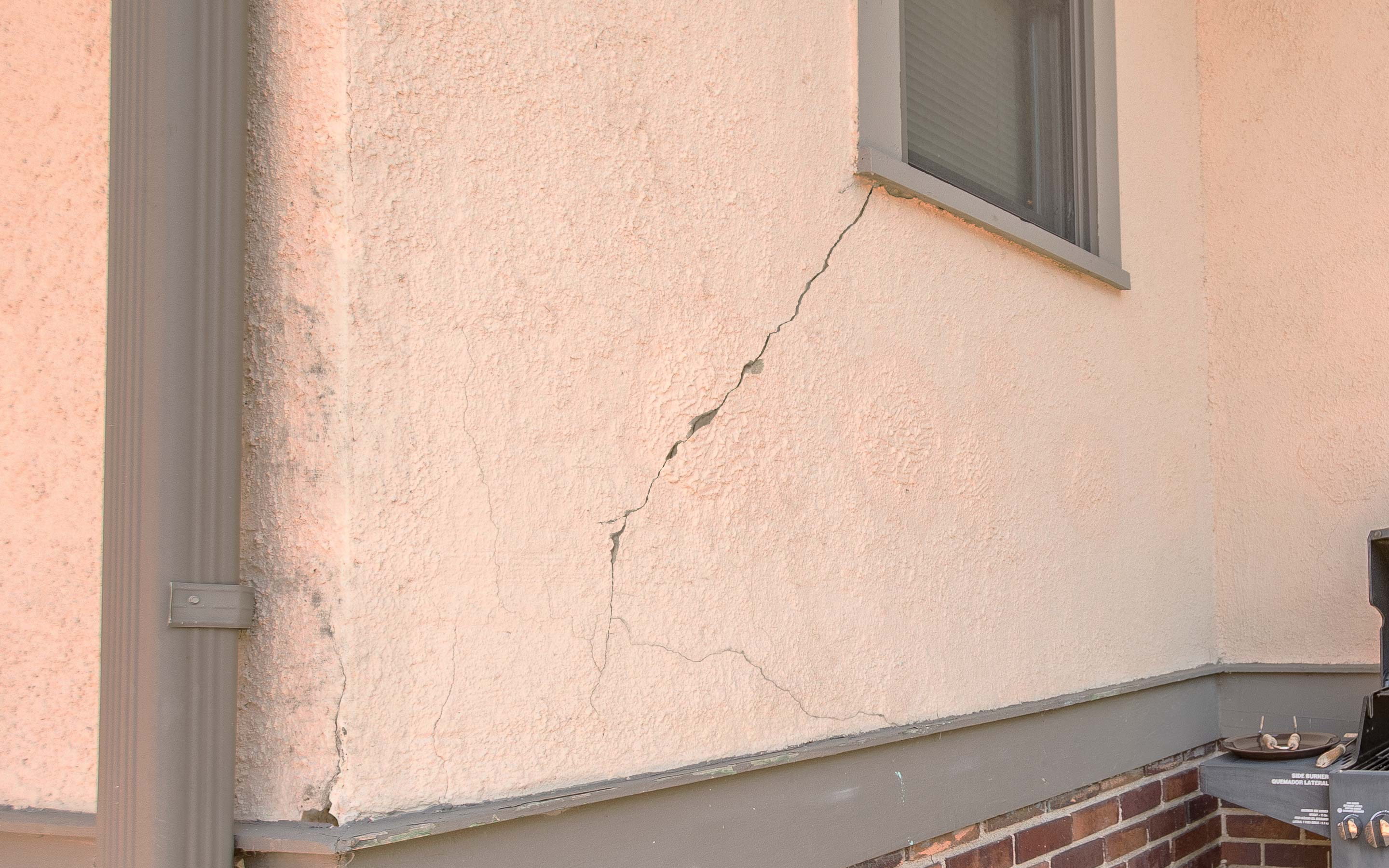
- Vertical or Diagonal Cracks:
- These cracks can be indicative of settling, foundation issues, or structural movement. Depending on the severity, professional inspection and repairs may be necessary.
- Horizontal Cracks:
- Horizontal cracks are more concerning as they could suggest serious structural issues. These cracks may be a sign of water damage, shifting foundations, or other underlying problems.
When to Repair Stucco Cracks:
- Cosmetic Cracks:
- Hairline cracks and minor spiderweb cracks that are purely cosmetic may not require immediate repair. However, monitoring their progression is essential. If they remain stable over time, they can be addressed during routine maintenance or when repainting the exterior.
- Larger or Expanding Cracks:
- If you notice cracks that are widening or extending over time, it’s advisable to address them promptly. Larger cracks, especially those affecting the structural integrity of the stucco, can allow moisture infiltration, leading to more significant issues.
- Water Damage and Moisture Issues:
- Cracks that allow water to penetrate behind the stucco can result in mold growth, wood rot, and other structural problems. If you identify signs of water damage, such as discoloration or soft spots, immediate repairs are crucial to prevent further deterioration.
- Structural Concerns:
- Horizontal or extensive vertical cracks may indicate underlying structural issues. In such cases, seeking the expertise of a professional structural engineer or contractor is essential to identify the root cause and implement the necessary repairs.
Conclusion:
In the world of stucco, timely and appropriate action is the key to maintaining a resilient and aesthetically pleasing exterior. While minor cracks may not always necessitate immediate attention, being vigilant and addressing issues promptly can save you from more extensive and costly repairs down the road. Regular inspections, combined with a proactive approach to repairs, will keep your buildings watertight and looking their best between repaint cycles. Bayshore Painters handles cosmetic, nonstructural stucco and EIFS crack repair as part of commercial and condominium repaints; cracks that point to structural movement should be evaluated by a licensed engineer or contractor first.
Planning a repaint? See how we handled an occupied 101-unit high-rise in our Bayshore Royal case study, or request a property assessment for your community.