

An elastomeric coating is a thick, flexible exterior coating that stretches and recovers as a building moves, so it can bridge hairline cracks and shed wind-driven rain better than a standard exterior paint. On Florida stucco buildings it is often a good choice, but not always. Whether it fits depends on the condition of the stucco, what is already on the wall, and whether it is specified and applied at the thickness the manufacturer requires.
For boards and property managers, the coating choice is one of the biggest decisions in a repaint. It affects how well the building is protected, what the warranty covers, and when the next repaint lands in your reserve plan. Here is how we explain elastomeric coatings to the associations and owners we work with across Tampa Bay.
What is an elastomeric coating?
Elastomeric coatings are high-build acrylic coatings designed to flex. A standard exterior paint goes on as a thin film. An elastomeric coating goes on much thicker, and that thicker, rubbery film is what lets it stretch over small cracks as the stucco expands and contracts with heat and moisture, instead of cracking along with them.
That matters in Florida. Stucco buildings here go through intense sun, high humidity, salt air near the water, and heavy, wind-driven rain during storm season. Hairline cracks in stucco are common, and every crack is a path for water to get behind the finish.
How elastomeric differs from a standard exterior paint
- Film thickness. Elastomeric systems are applied at a much higher film build than standard paint. The manufacturer’s data sheet sets the required thickness, and the coverage rate has to match it.
- Flexibility. The cured film stretches and recovers, so it can bridge hairline cracks. It does not fix larger cracks, which need to be repaired before coating.
- Water resistance. A properly applied elastomeric system resists wind-driven rain. It is a protective coating, not a fix for active leaks or structural problems.
- Breathability. Many elastomeric coatings let less moisture vapor pass through than a standard acrylic. That is part of why they protect well, and also why the wall has to be dry and sound before they go on.
- Appearance. The thicker film can soften fine stucco texture slightly. Ask for a sample area if the look of the texture matters to your board.
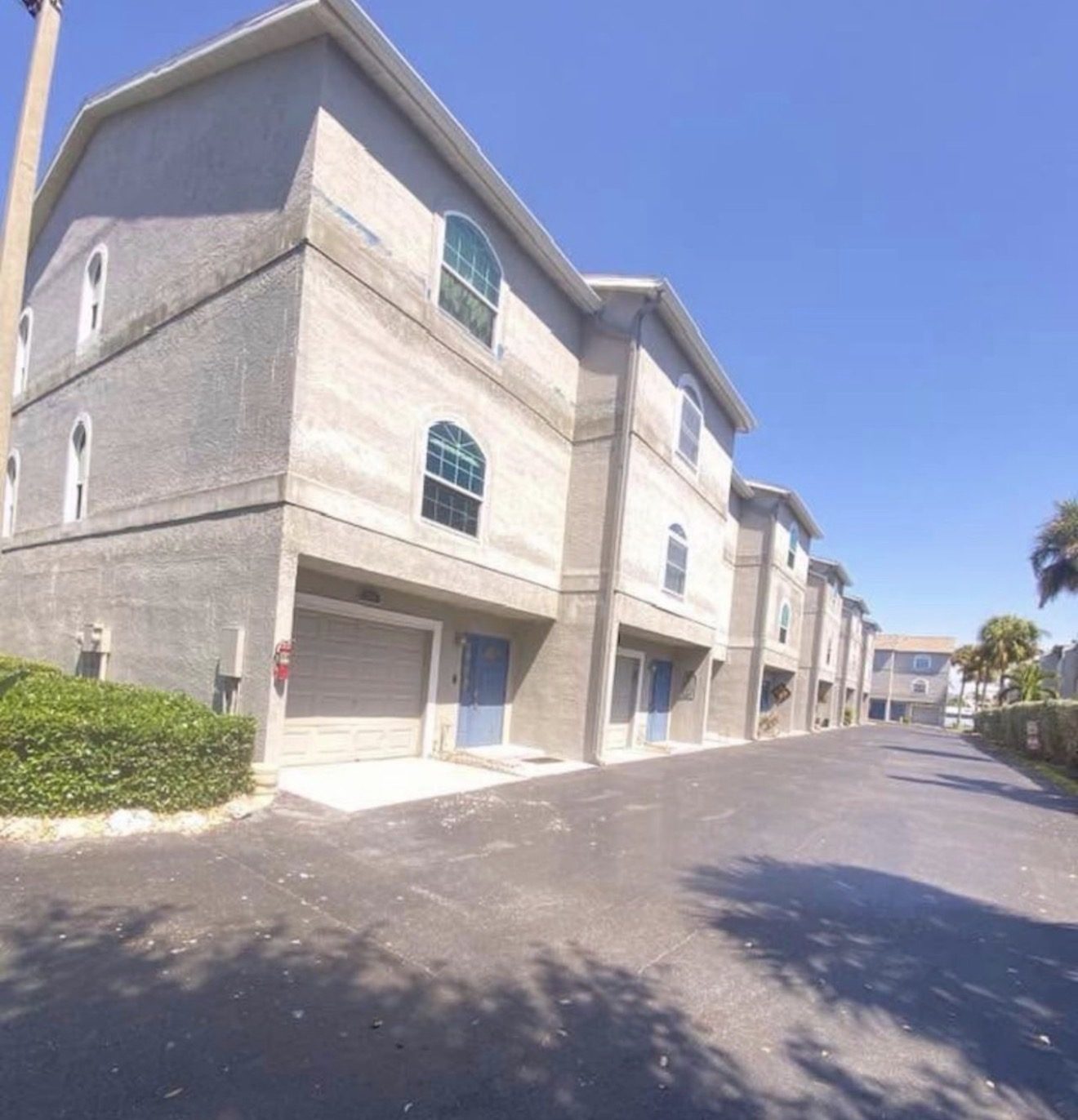
When elastomeric makes sense on a Florida building
- Stucco with widespread hairline cracking that would show through a standard paint within a few years.
- Elevations that take the brunt of wind-driven rain, such as waterfront and high-rise exposures.
- Buildings where the existing coating is sound and compatible, so the new system bonds properly.
- Associations planning for a longer repaint cycle, where the added protection supports the reserve schedule.
When it may not be the right choice
- Moisture already in the wall. If water is getting in from somewhere else, sealing the surface can trap it. The source needs to be found and addressed first.
- Incompatible existing coatings. Some previous coatings need extra preparation or a primer or conditioner before an elastomeric can go over them. A small adhesion test tells you before the whole building is coated.
- Surfaces it isn’t made for. Elastomeric is a wall coating. Trim, doors, railings and metal usually call for different products in the same specification.
- Cracks beyond hairline. Wider cracks need cosmetic repair first. Our earlier post on when to repair stucco cracks covers what to look for.
In many cases a high-quality standard acrylic system is the better fit. The right answer comes from the building, not from a default product.
Why the specification and film thickness matter
An elastomeric coating only performs, and the manufacturer’s warranty only applies, when it is applied the way the specification says. That usually means the specified surface preparation, any required primer or conditioner, the right number of coats, and the required film thickness. Thin it out or skip a step and you have paid for an elastomeric coating without getting what it is designed to do.
We work from manufacturer specifications on our projects, and we encourage boards to ask for one in writing. If you are comparing bids, our post on scope of work vs. specifications explains how to tell whether two proposals are actually pricing the same system.
Ask your contractor: Which product system is specified for our walls, and who wrote the specification? What film thickness does the manufacturer require, and how will you check it? What does the warranty cover, and what would void it?
Preparation comes first
No coating fixes a poorly prepared wall. Before any coating goes on, the building is cleaned with a soft pressure wash and an environmentally friendly cleaning solution, cracks and damaged areas are repaired cosmetically, and failed caulking and sealants around windows, doors and joints are replaced. Those steps keep water out at the places a coating can’t protect on its own.
You can see the condo, multifamily and commercial buildings we have repainted across Tampa Bay on our projects page.
Frequently asked questions
Is an elastomeric coating waterproof?
A properly applied elastomeric system is highly water resistant and helps stucco shed wind-driven rain. It is a protective coating, not a repair for active leaks or structural problems, which need to be found and addressed before coating.
Can elastomeric go over existing paint?
Often, yes, if the existing coating is sound and compatible. Some surfaces need extra preparation or a primer or conditioner first, and a small adhesion test before the full project is the safest way to confirm.
How long does an elastomeric coating last in Florida?
It depends on the product system, the film thickness actually applied, the building’s exposure and the quality of the preparation. Warranty terms vary by manufacturer and product, so ask for them in writing and make sure the specification matches what the warranty requires.
Planning a repaint on a stucco building in Tampa Bay? Request a property assessment and we will walk the building with you, look at the condition of the stucco and existing coatings, and help your board choose the right system for the property.